Creator Economy Shifts: 5 AI-Driven Workflow Changes in 2026
Introduction
Imagine a landscape where artificial intelligence doesn't just assist but fundamentally redefines how creators produce and distribute content. In 2026, the creator economy pulses with unprecedented energy, driven by AI innovations that slash production times and amplify creative output. Marketing professionals and brand managers stand at the forefront, leveraging these shifts to craft campaigns that resonate deeply and scale effortlessly. This evolution demands adaptation, turning potential disruption into a powerful ally for those who embrace it.
AI-Enhanced Ideation Engines
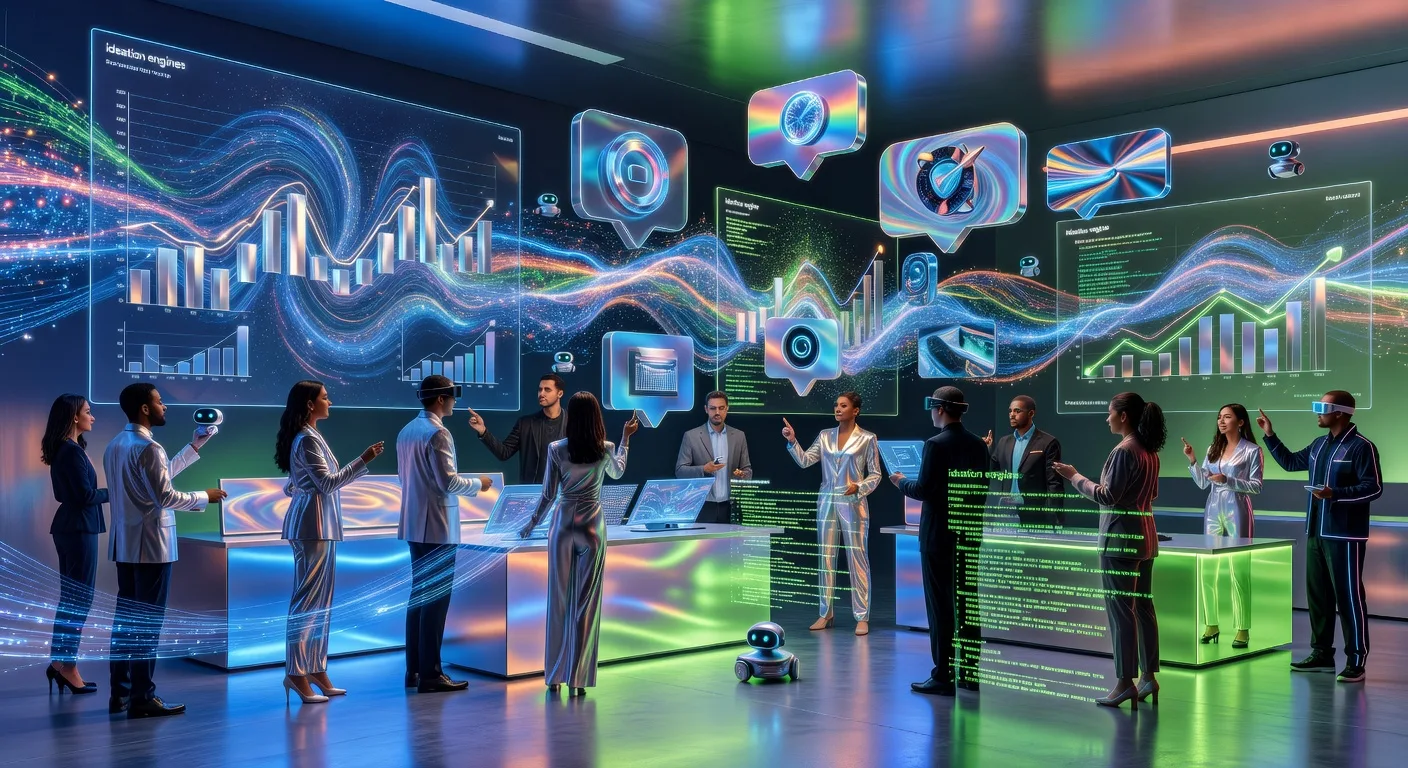
AI-driven ideation tools now simulate endless brainstorming sessions, generating concepts based on market data and audience preferences. For instance, platforms analyze social trends to propose tailored campaign themes, allowing brand managers to ideate visuals for product launches without manual research. This shift reduces ideation from days to hours, freeing creators to focus on execution. Integrate these engines early in your workflow to uncover unique angles that competitors overlook.
Automated Asset Generation
💡 Looking for professional 3D Product Animation services? Check out our Fiverr gig to get started today!
Workflows have evolved to automate the creation of 3D models and animations, using AI to render complex scenes from simple prompts. Picture a tool that transforms a text description into a fully rigged character for an explainer video, complete with textures and lighting. This change empowers marketing teams to produce high-quality assets on demand, ideal for rapid prototyping in ecommerce visualization. By adopting such automation, professionals cut costs while maintaining artistic integrity.
Personalized Content Pipelines
AI algorithms now tailor content dynamically, adapting visuals and narratives to individual viewer data in real-time. Brand managers can deploy systems that customize ad creatives based on user behavior, enhancing engagement for targeted audiences. For example, a single video template morphs into personalized versions for different demographics, boosting conversion rates. This personalization pipeline shifts the focus from broad appeals to hyper-relevant interactions.
Collaborative AI Platforms
Real-time collaboration tools infused with AI facilitate seamless teamwork across global teams, predicting edits and suggesting optimizations. In 2026, these platforms enable marketing pros to co-create 3D animations remotely, with AI flagging inconsistencies before final renders. Such tools bridge gaps in distributed workflows, ensuring cohesive outputs even in fast-paced environments. Embrace them to foster innovation without logistical hurdles.
Predictive Analytics Integration
AI now integrates predictive analytics into content strategies, forecasting performance and recommending adjustments mid-campaign. Marketing teams use these insights to refine workflows, such as optimizing 3D product animations for better click-through rates. For brand managers, this means data-driven decisions that anticipate trends, reducing wasted efforts. This shift transforms reactive processes into proactive strategies.
Quick Checklist for Adopting AI Workflows
- Assess your current tools and identify gaps where AI can integrate seamlessly.
- Train your team on AI platforms to ensure smooth adoption and minimize resistance.
- Start with pilot projects, like automating a single asset in 3D modeling services.
- Monitor performance metrics to measure AI's impact on productivity and ROI.
- Collaborate with AI experts to customize workflows for your brand's unique needs.
- Update your skill sets through targeted training on emerging AI tools.
- Implement ethical guidelines to handle data privacy in AI-driven personalization.
- Regularly review and iterate on workflows based on predictive analytics feedback.
Frequently Asked Questions
What makes AI workflows essential for the creator economy in 2026? AI workflows accelerate content creation and personalization, allowing creators to scale efforts while maintaining quality, directly impacting revenue in a competitive market.
How can brand managers begin integrating AI without overhauling operations? Start small by selecting user-friendly AI tools for specific tasks, like ideation, and gradually expand as your team builds confidence and expertise.
Are there risks in relying on AI for creative processes? Yes, potential biases in AI outputs and data privacy concerns exist; mitigate them by combining AI with human oversight and ethical standards.
What role do 3D assets play in these AI-driven shifts? 3D assets, enhanced by AI automation, enable immersive storytelling in marketing, from product animations to virtual experiences, as seen in 3D product animation services.
How do these changes affect job roles in marketing? They shift roles toward strategic oversight, with AI handling repetitive tasks, freeing professionals for high-level creative and analytical work.
Conclusion
The creator economy in 2026 thrives on AI-driven workflows that blend technology with human ingenuity, offering marketing professionals a pathway to unparalleled efficiency. By embracing these shifts, brand managers can lead with confidence, delivering content that captivates and converts. Ready to transform your approach? Explore our custom logo animation services to kickstart your AI-enhanced projects today.
Ready to Get Started?
If you're looking for professional 3D Product Animation services, I'm here to help! Visit my Fiverr profile to see my portfolio and place an order.
Turn this workflow into real deliverables
Browse production-ready 3D assets for your next project, then step into 3d product animation if you need a custom build.