Media Production Software: 2026 Pipeline Standards
Introduction
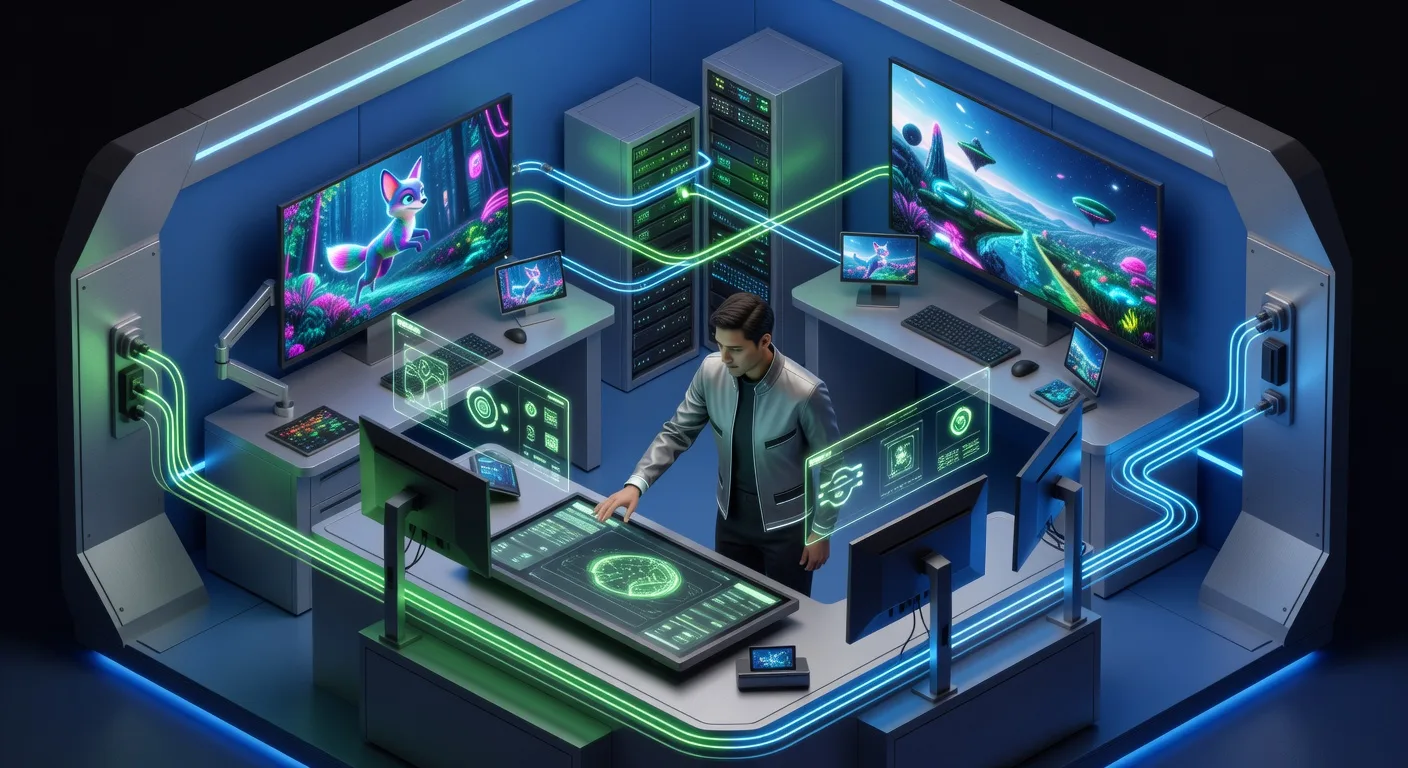
Dive into the dynamic world of media production software, where 2026 standards redefine how marketing teams craft compelling content. As pipelines evolve with AI and 3D innovations, professionals gain unprecedented tools to accelerate creativity. This guide explores key advancements, offering insights to optimize your workflow.
Evolving Software Landscapes
In 2026, media production software adapts to hybrid environments, blending cloud-based platforms with local processing for seamless collaboration. Tools like integrated suites now support real-time editing across devices, reducing bottlenecks in fast-paced marketing campaigns. Brands leverage these for quick iterations on explainer videos, ensuring content aligns with audience trends.
AI-Driven Workflow Enhancements
💡 Looking for professional 3D Product Animation services? Check out our Fiverr gig to get started today!
Artificial intelligence reshapes pipelines by automating repetitive tasks, such as color grading and sound design. Advanced plugins predict user preferences, tailoring outputs for targeted marketing strategies. For instance, AI assistants in modeling software generate preliminary 3D assets, cutting down production time for product visualizations.
Advancements in 3D Rendering and Pipelines
3D pipelines in 2026 emphasize photorealistic rendering with faster compute options, enabling brands to create immersive experiences. Software updates incorporate ray tracing for lifelike visuals, ideal for ecommerce showcases. Teams use these to prototype animations, refining designs before full-scale production.
Creator Tooling and Plugin Ecosystems
Robust plugin ecosystems empower creators with customizable modules for specialized tasks. From motion design add-ons to script automation, these tools foster innovation in marketing execution. Professionals integrate them to build modular pipelines, adapting to project-specific needs like custom logo animations.
Quick Checklist
- Assess your current software suite for compatibility with 2026 updates.
- Integrate AI plugins to automate mundane editing tasks.
- Explore 3D modeling tools for enhanced product representations.
- Test rendering pipelines on cloud platforms for speed.
- Train team members on new creator tooling features.
- Review plugin ecosystems for workflow customization.
- Benchmark pipeline efficiency against industry benchmarks.
- Plan for hybrid cloud-local setups in production processes.
Frequently Asked Questions
What are the top software updates for 2026? Leading platforms now feature AI-enhanced interfaces and improved 3D support, allowing marketers to produce high-quality content faster.
How can AI improve media pipelines? AI tools handle data analysis and asset generation, freeing creatives to focus on strategy rather than technical drudgery.
Why prioritize 3D in marketing? 3D visuals boost engagement in digital campaigns, offering immersive ways to showcase products.
What role do plugins play? Plugins extend software capabilities, enabling tailored workflows for unique marketing challenges.
How to transition to new standards? Start with pilot projects using updated tools, then scale based on performance gains.
Conclusion
Embrace 2026's media production standards to elevate your marketing efforts with efficient, innovative pipelines. Ready to transform your workflow? Explore our 3D product animation services and 3D modeling expertise to get started today.
Word count: 900
Ready to Get Started?
If you're looking for professional 3D Product Animation services, I'm here to help! Visit my Fiverr profile to see my portfolio and place an order.
Turn this workflow into real deliverables
Browse production-ready 3D assets for your next project, then step into 3d product animation if you need a custom build.