Military 3D Explainers: Simplify Complex Tech for Training
Introduction
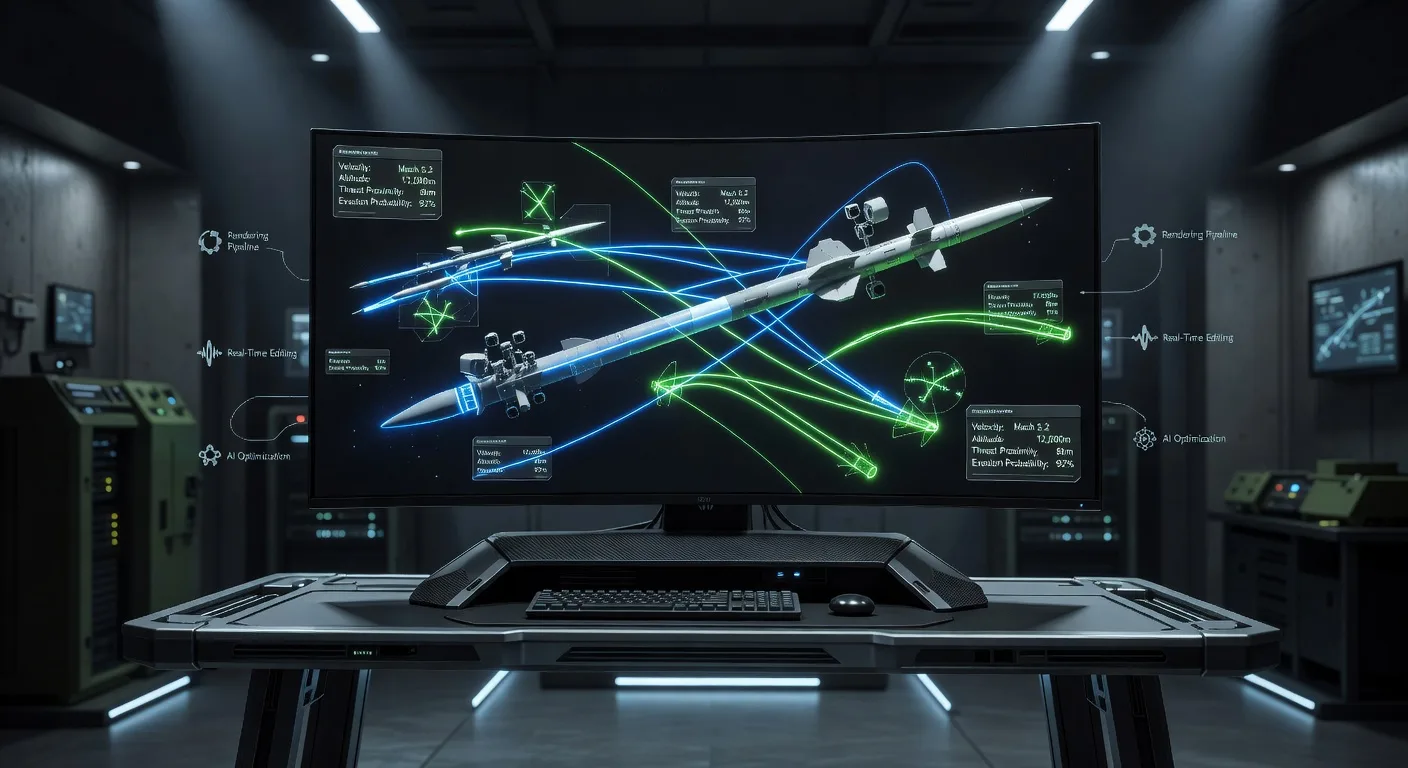
Imagine breaking down a sophisticated missile guidance system into an easy-to-grasp animation that recruits can follow in seconds. Military 3D explainers do just that, turning dense technical concepts into vivid, interactive visuals. For content creators, YouTubers, and video producers, these tools open doors to crafting compelling narratives around defense tech. In 2026, as AI integrates deeper into production pipelines, mastering these explainers can elevate your work from basic tutorials to immersive experiences that educate and inspire.
The Essence of Military 3D Explainers
At their core, military 3D explainers use computer-generated imagery to dissect complex machinery, tactics, or systems. Picture a drone's flight path rendered in three dimensions, highlighting sensors and evasion maneuvers without jargon overload. This approach draws from digital production techniques, blending 3D modeling with motion design to create assets that feel real yet simplified. Content creators leverage this for YouTube channels, where viewers seek quick insights into topics like cyber warfare tools or vehicle armor innovations.
Boosting Training Efficiency
💡 Looking for professional Military 3D Explainer services? Check out our Fiverr gig to get started today!
In training scenarios, these explainers shine by accelerating learning curves. Instead of lengthy manuals, a 3D animation can simulate battlefield scenarios, showing how a soldier interacts with equipment in real-time. For instance, visualizing a radar system's detection range helps trainees grasp spatial awareness faster. Producers incorporate AI-enabled workflows to automate repetitive modeling tasks, freeing up time for creative storytelling. This shift from static diagrams to dynamic visuals has revolutionized military education, making it accessible for diverse audiences.
Powering Campaign and Marketing Efforts
Beyond training, military 3D explainers fuel campaigns by humanizing technology. Defense contractors use them to showcase innovations like autonomous vehicles in promotional videos, appealing to stakeholders. YouTubers might create series on historical battles, using 3D reconstructions to illustrate strategies. Integrating plugins for realistic lighting and textures ensures authenticity, while modern marketing execution ties these visuals to broader narratives, such as sustainability in warfare tech.
Tools and Workflows in Focus
Selecting the right software is key for effective production. Platforms like Blender or Cinema 4D handle 3D pipelines, with AI tools streamlining asset creation. A typical workflow starts with scripting the concept, then modeling components, animating interactions, and rendering for high-quality output. For creators new to this, starting small with modular assets avoids overwhelm. Industry shifts toward cloud-based collaboration mean teams can now iterate faster, incorporating feedback loops that refine explainers for maximum impact.
Overcoming Production Hurdles
Challenges like ensuring accuracy in technical details or managing file sizes persist, but solutions abound. Partnering with experts for verification keeps content credible, while optimizing for web delivery reduces load times. AI workflows assist in generating variations, such as alternate camera angles for different viewing contexts. By embracing these, producers transform potential roadblocks into opportunities for innovation.
Quick Checklist for Crafting Military 3D Explainers
- Outline your core message and target audience to guide the narrative.
- Gather accurate technical data from reliable sources to ensure precision.
- Choose software like 3D product animation tools for modeling basics.
- Incorporate AI plugins to speed up animation and rendering processes.
- Test visuals for clarity, ensuring they simplify without oversimplifying.
- Integrate motion design elements to add engagement and flow.
- Review with military advisors for authenticity and compliance.
- Optimize files for various platforms, from YouTube to training modules.
Frequently Asked Questions
What software do I need to start? Basic tools like free versions of Blender suffice for beginners. As you advance, invest in Cinema 4D for advanced features, focusing on user-friendly interfaces.
How do AI workflows fit in? AI can automate modeling of complex parts, like engine components, allowing you to focus on storytelling. It's ideal for generating quick prototypes in 3D modeling services.
Can these explainers work for non-military topics? Absolutely—adapt them for any tech visualization, such as industrial machinery or medical devices, by tweaking the assets.
What's the biggest mistake to avoid? Skipping accuracy checks; always verify details to build trust with viewers.
How long does production take? A simple explainer might take days, while intricate ones span weeks, depending on your workflow efficiency.
Conclusion
Military 3D explainers bridge the gap between complex technology and clear communication, empowering creators to produce impactful content. By embracing workflows that blend creativity with tech, you can deliver training aids and campaign visuals that resonate. Ready to dive in? Explore our military 3D explainer services to kickstart your next project and elevate your digital production game.
Ready to Get Started?
If you're looking for professional Military 3D Explainer services, I'm here to help! Visit my Fiverr profile to see my portfolio and place an order.
Turn this workflow into real deliverables
Browse production-ready 3D assets for your next project, then step into military 3d explainer if you need a custom build.