AI 3D Modeling Tools: Revolutionizing Digital Production Pipelines
Introduction
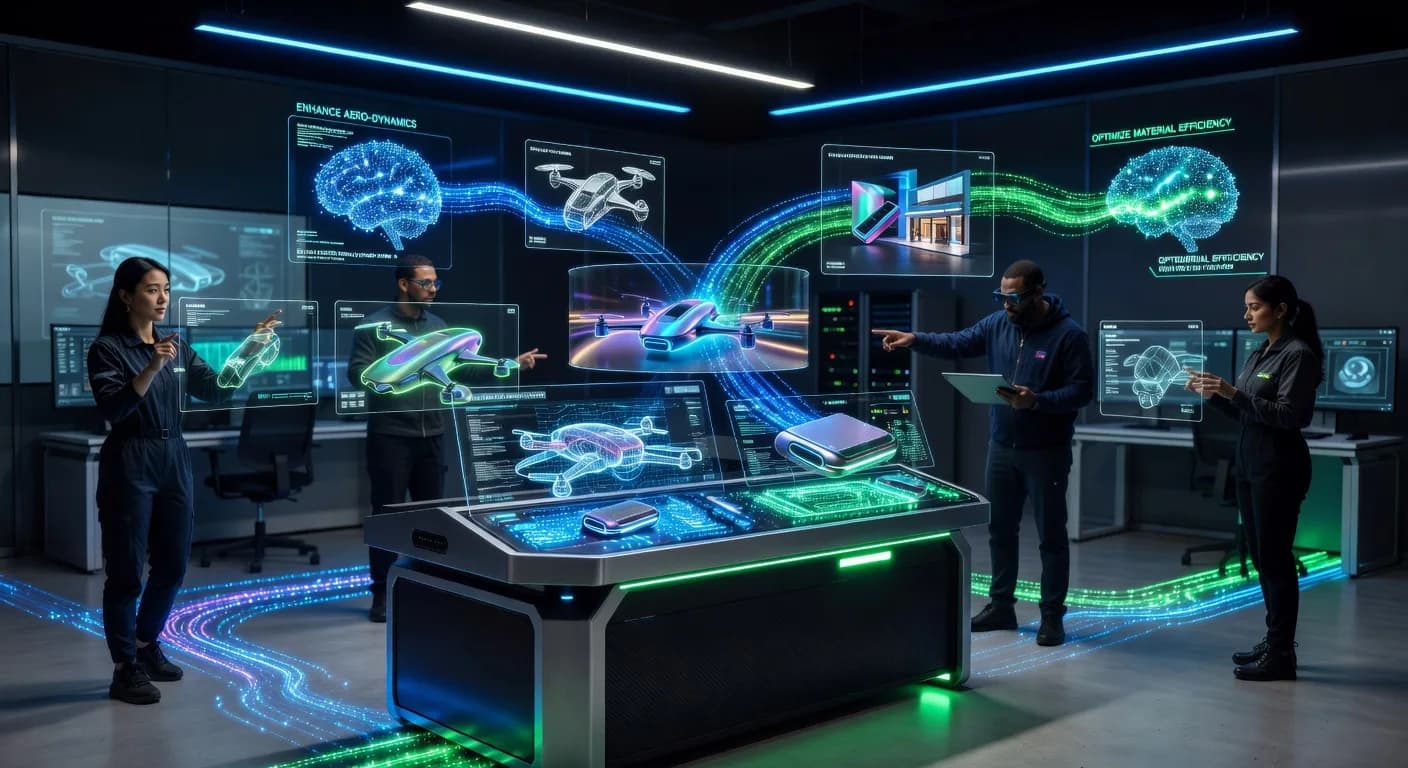
In the fast-paced world of digital production, AI-powered 3D modeling tools are reshaping how marketing teams create immersive content. These innovations streamline pipelines, reducing time from concept to final render. Imagine generating complex models in hours instead of days, empowering brand managers to experiment boldly.
AI integrates seamlessly with existing workflows, enhancing creativity while cutting costs. For instance, predictive algorithms suggest optimizations, ensuring assets align with brand aesthetics. This shift not only boosts efficiency but also opens doors to personalized, dynamic visuals that captivate audiences.
The Rise of AI in 3D Modeling
AI algorithms now handle intricate tasks like texture mapping and lighting simulations, freeing creators to focus on strategy. Tools like generative AI models analyze vast datasets to produce realistic environments, such as virtual product showcases.
Marketing professionals leverage these for rapid prototyping of ad campaigns. A brand manager might input a simple sketch, and the AI refines it into a polished 3D prototype, ready for client reviews. This accelerates feedback loops, vital in today's agile marketing landscapes.
Integration with cloud-based platforms ensures collaboration across teams. Remote designers can iterate on models in real-time, bridging gaps in global operations.
💡 Looking for professional 3D Product Animation services? Check out our Fiverr gig to get started today!
Efficiency Gains in Production Pipelines
Traditional 3D pipelines involve manual rigging and animation, often bottlenecked by expertise gaps. AI tools automate these, using machine learning to predict deformations and movements.
For example, in ecommerce visualization, AI generates multiple product angles from a single scan, slashing production time by 70%. Brand teams can deploy these assets across websites and social media instantly.
Workflows now incorporate AI plugins that detect errors pre-render, preventing costly revisions. This proactive approach minimizes downtime, allowing marketers to meet tight deadlines without compromising quality.
AI-Enhanced Creativity and Customization
Beyond efficiency, AI fosters innovation by blending human intuition with computational power. Tools enable hyper-customization, tailoring models to specific demographics or trends.
Consider a campaign for a new gadget: AI analyzes consumer data to morph the 3D model into variants appealing to different age groups. This data-driven approach elevates engagement rates.
Creators also explore generative art, where AI produces unique textures based on brand colors. Such capabilities position marketing teams as trendsetters, not just executors.
Challenges and Best Practices
Adopting AI requires overcoming learning curves and data privacy concerns. Ensure tools comply with regulations to protect sensitive brand information.
Best practices include starting small: Pilot AI in low-risk projects to gauge ROI. Train teams on ethical AI use, emphasizing transparency in generated content.
Regularly update software to harness 2026 advancements, such as improved neural networks for photorealistic renders. Collaborate with tech partners to customize solutions for your pipeline.
Checklist: Optimizing Your AI 3D Workflow
- Assess current pipeline bottlenecks to identify AI integration points.
- Select tools compatible with your existing software stack.
- Train staff on AI basics to maximize adoption.
- Implement data security protocols for AI-generated assets.
- Monitor performance metrics like render time and error rates.
- Experiment with generative features for creative brainstorming.
- Schedule regular updates to leverage new AI capabilities.
FAQ
What are the key benefits of AI in 3D modeling for marketers? AI accelerates production, reduces costs, and enables personalized content, helping brands stand out in crowded markets.
How do I choose the right AI 3D tool? Evaluate based on compatibility, ease of use, and specific features like automation for your workflow needs.
Can AI replace human designers? No, AI augments creativity; it enhances human input rather than substituting it.
What about data privacy with AI tools? Opt for compliant platforms and implement safeguards to protect proprietary information.
How to integrate AI into existing pipelines? Start with plugins, test in phases, and scale based on results for seamless adoption.
Conclusion
Embrace AI 3D modeling tools to elevate your digital production pipelines and drive marketing success in 2026. By streamlining processes and unlocking creative potential, you'll deliver compelling visuals that resonate with audiences. Ready to transform your workflow? Explore our 3D modeling services or 3D product animation to get started today.
Ready to Get Started?
If you're looking for professional 3D Product Animation services, I'm here to help! Visit my Fiverr profile to see my portfolio and place an order.
Turn this workflow into real deliverables
Browse production-ready 3D models for your next project, then step into 3d product animation if you need a custom build.