AI in Motion Design: 12 Essential Tools for Artists in 2026
Introduction
In 2026, artificial intelligence reshapes motion design, empowering digital artists to craft immersive visuals faster than ever. Brands crave dynamic animations that captivate audiences, and AI tools bridge the gap between ideas and execution. This guide unveils 12 innovative tools that integrate seamlessly into your creative pipeline, from 3D modeling to AI-assisted rendering.
Emerging AI-Driven Software for Motion Design
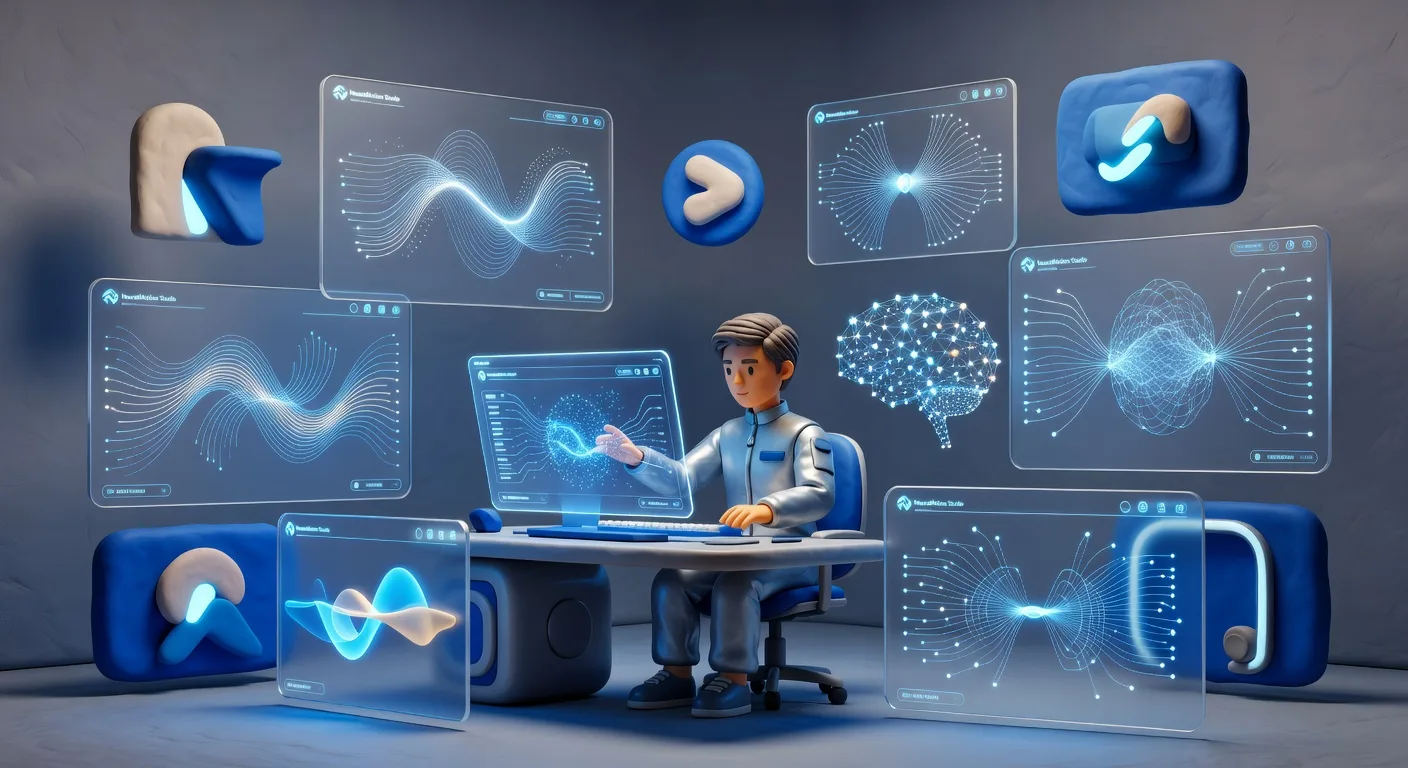
Leading the charge are platforms like NeuralMotion Studio, which uses machine learning to predict animation curves based on your sketches. Artists input rough concepts, and the software generates fluid motion sequences in minutes. For instance, a brand manager designing a product launch video can upload a storyboard and watch AI refine transitions for realism.
Another standout is FluxRender AI, a plugin for popular 3D suites that accelerates rendering by analyzing scene complexity. It optimizes light simulations, cutting down farm times by up to 70%. Digital creators working on e-commerce visualizations appreciate how it handles intricate product details without manual tweaks.
Workflow Enhancers and Plugins
💡 Looking for professional 3D Product Animation services? Check out our Fiverr gig to get started today!
Integrate plugins such as AutoKinetic into your toolkit to automate rigging processes. This AI-powered extension scans 3D models and suggests optimal bone structures, saving hours on character animations. Marketing professionals use it for explainer videos, ensuring lifelike movements that engage viewers.
VividFlow offers real-time collaboration features, where AI detects inconsistencies in team edits and suggests fixes. It's ideal for remote digital production teams, streamlining feedback loops in projects like 3D product animations.
AI-Assisted Rendering and Effects
Dive into tools like EchoEffect, which applies intelligent particle systems to create natural phenomena. For a military-themed explainer, artists can simulate explosions with precision, as seen in military 3D explainers.
QuantumBlend enhances compositing by using neural networks to blend layers seamlessly. It reduces artifacts in high-dynamic-range scenes, perfect for brand managers crafting cinematic marketing content.
Advanced 3D Modeling and Asset Creation
Tools such as SynthMesh generate detailed 3D assets from 2D images via AI upscaling. Digital artists transform simple logos into animated models, as in custom logo animations.
ModelForge streamlines prototyping with generative design, suggesting variations based on user parameters. This aids in rapid iteration for website landing pages, linking to website landing page development.
Quick Checklist: Integrating AI Tools into Your Motion Design Workflow
- Assess your current software stack and identify gaps where AI can automate repetitive tasks.
- Start with free trials of tools like NeuralMotion Studio to test compatibility with existing 3D pipelines.
- Train team members on AI plugins to ensure smooth adoption in collaborative projects.
- Benchmark rendering speeds before and after using FluxRender AI for measurable efficiency gains.
- Incorporate user feedback loops with tools like VividFlow to refine animations iteratively.
- Experiment with asset generation in SynthMesh for diverse 3D models in marketing campaigns.
- Monitor ethical AI use to avoid biases in generated content.
- Update workflows quarterly to leverage new AI features in 2026 releases.
Frequently Asked Questions
What makes AI tools indispensable for digital artists in 2026?
AI accelerates complex tasks like rendering and modeling, allowing artists to focus on creative storytelling rather than technical hurdles. For example, these tools reduce production time by 50%, enabling brands to launch campaigns quicker.
How do I choose the right AI tool for my motion design projects?
Evaluate based on integration with your software, such as After Effects or Blender. Look for user reviews on versatility for tasks like video editing and scalability for team use.
Are there cost-effective options for startups?
Many tools offer tiered pricing or free versions with core features. NeuralMotion Studio provides a basic plan for solo artists, while enterprise options suit larger marketing teams.
Can AI tools handle custom 3D modeling needs?
Absolutely, tools like ModelForge excel in generating bespoke models from simple inputs, ideal for 3D modeling services tailored to specific brand requirements.
What ethical considerations should I keep in mind?
Ensure AI outputs align with brand values by reviewing generated content for accuracy. Avoid over-reliance to maintain human creativity in motion design.
Conclusion
Embracing AI in motion design equips digital artists with unprecedented power in 2026, transforming how brands communicate visually. By adopting these 12 tools, you can elevate your workflows and deliver standout results. Ready to innovate? Explore our 3D modeling services to get started on your next project today.
Ready to Get Started?
If you're looking for professional 3D Product Animation services, I'm here to help! Visit my Fiverr profile to see my portfolio and place an order.
Turn this workflow into real deliverables
Browse production-ready 3D assets for your next project, then step into 3d modeling if you need a custom build.