AI in Motion Design: 12 Helpful Tools for Digital Artists in 2026
Introduction
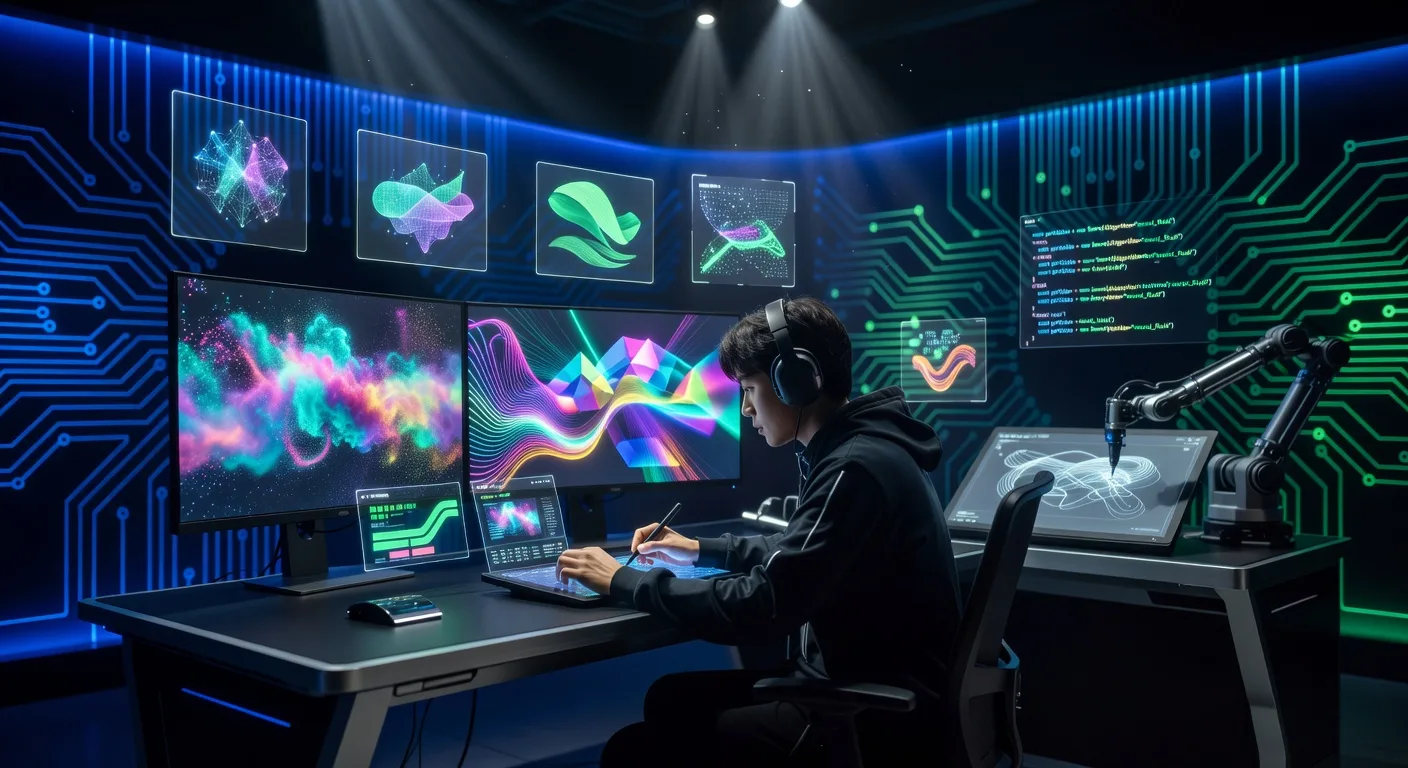
As digital artists navigate the evolving landscape of motion design in 2026, artificial intelligence emerges as a game-changer, streamlining workflows and unlocking unprecedented creative possibilities. Imagine crafting dynamic animations with minimal manual effort, where AI predicts your next move and refines designs in real-time. This shift not only accelerates production but also democratizes high-quality visuals for brand managers and marketing professionals seeking to captivate audiences.
In this guide, we explore 12 innovative tools that integrate AI seamlessly into motion design processes, offering practical insights for professionals aiming to stay ahead.
AI-Enhanced Animation Platforms
Leading the pack are platforms that blend traditional animation with AI intelligence. For instance, MotionAI Studio automates keyframe generation based on natural language inputs, allowing artists to describe scenes and watch them materialize instantly. This tool excels in product showcases, where marketing teams can visualize 3D product animations without extensive modeling.
Another standout is Flux Animator, which uses predictive algorithms to suggest motion paths, reducing trial-and-error in complex sequences. Digital artists appreciate its integration with existing software, making it ideal for rapid prototyping in brand campaigns.
Generative Design Plugins
💡 Looking for professional 3D Product Animation services? Check out our Fiverr gig to get started today!
Plugins designed for generative workflows empower creators to experiment with AI-driven ideation. GenMotion Plugin, compatible with popular 3D suites, generates variations of designs from simple sketches, perfect for logo animations that adapt to different brand contexts.
Pair it with EchoGen, a plugin that analyzes user behavior to evolve designs iteratively, ensuring motion graphics resonate with target demographics. These tools are invaluable for marketing professionals crafting explainer videos that educate and engage.
AI-Assisted Rendering and Effects
Rendering becomes smarter with AI tools that optimize performance and add effects dynamically. RenderWise employs machine learning to predict and enhance lighting in real-time, cutting down on rendering times for military-grade 3D explainers.
EffectForge takes it further by applying AI-generated effects like particle simulations based on audio cues, transforming static models into interactive narratives. Artists use this for website landing pages, where subtle animations draw user attention.
Workflow Automation Suites
Automation suites streamline entire pipelines, integrating AI for efficiency. AutoMotion Hub connects disparate tools, automating asset imports and exports while suggesting optimizations for 3D modeling workflows.
SynchFlow, meanwhile, uses AI to synchronize elements across projects, such as aligning video edits with 3D animations, benefiting brand managers in multi-channel marketing.
Emerging AI Toolkits
For niche applications, toolkits like VisioAI offer modular components for custom builds, enabling digital artists to tailor AI for specific motion design tasks, from character rigging to scene composition.
Finally, IntelliBlend provides AI-powered blending of assets, ensuring seamless transitions in custom logo animations for cohesive brand stories.
Quick Checklist for Adopting AI in Motion Design
- Assess your current tools and identify gaps where AI can integrate, such as automating repetitive tasks in 3D workflows.
- Test free trials of the listed tools to evaluate compatibility with your software stack.
- Train your team on AI basics to maximize tool potential and avoid workflow disruptions.
- Start small with one tool, like a generative plugin, to gauge productivity gains in marketing campaigns.
- Monitor AI outputs for quality, refining prompts to align with brand guidelines.
- Integrate feedback loops, using AI analytics to improve future designs.
- Budget for updates, as 2026 tools evolve rapidly with new AI features.
Frequently Asked Questions
What makes these 2026 tools different from current AI options? These tools incorporate advanced neural networks for real-time collaboration, unlike older versions that require heavy manual input.
Can non-technical users leverage these for marketing? Absolutely, with intuitive interfaces, brand managers can generate motion graphics without deep coding knowledge, focusing on strategic storytelling.
How do I choose the right tool for my projects? Evaluate based on your needs—opt for rendering tools if speed is key, or generative ones for creative ideation.
Are there integration challenges with existing software? Most tools offer APIs for seamless connections, but start with compatible ecosystems to minimize issues.
What are the cost implications? Prices vary, but many offer tiered subscriptions; factor in ROI from faster production cycles.
Conclusion
Embracing AI in motion design equips digital artists and marketing professionals with tools that redefine creativity and efficiency in 2026. By experimenting with these 12 innovations, you can elevate your brand's visual narratives and stay competitive. Ready to transform your projects? Explore our 3D product animation services or video editing expertise to integrate AI seamlessly into your workflow today.
Ready to Get Started?
If you're looking for professional 3D Product Animation services, I'm here to help! Visit my Fiverr profile to see my portfolio and place an order.
Turn this workflow into real deliverables
Browse production-ready 3D assets for your next project, then step into 3d modeling if you need a custom build.