Discover the Top 10 3D Animation Tools for Creators in 2026
Introduction
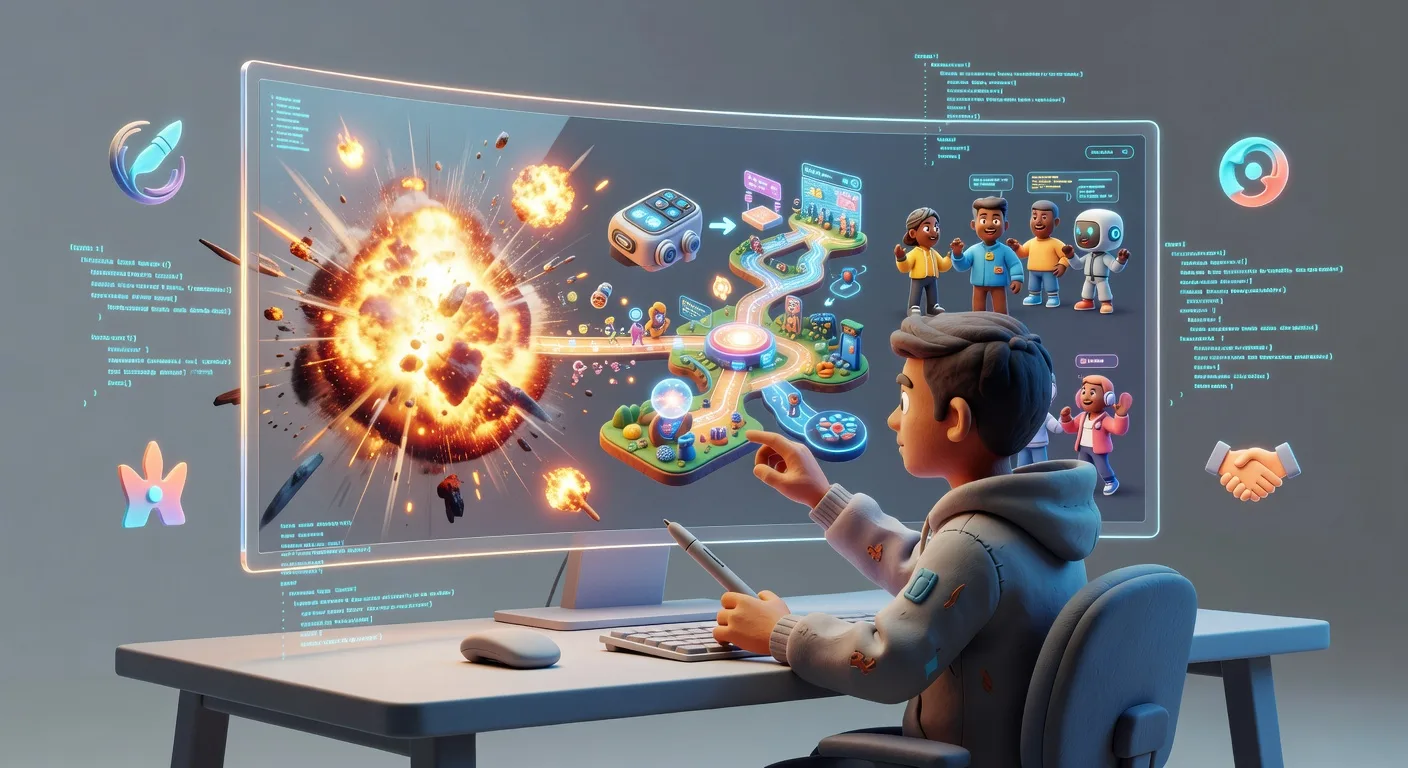
Hey there, creative minds! If you're a YouTuber, video producer, or content creator dreaming up epic worlds in 3D, 2026 is your year to shine. With technology leaping forward, the latest animation tools offer intuitive interfaces, AI-powered features, and real-time collaboration that make bringing ideas to life feel effortless. Whether you're crafting explosive action scenes or subtle character animations, these tools can transform your visions into reality. Let's explore the top picks that are reshaping how we create.
Why 3D Animation Matters in 2026
In today's digital landscape, 3D animation isn't just for big studios—it's a game-changer for indie creators. Imagine adding lifelike explosions to your gaming reviews or morphing product demos into interactive adventures. These tools integrate smoothly with video editing software, allowing you to blend 2D footage with 3D elements seamlessly. For instance, a YouTuber explaining complex machinery can use 3D models to dissect and rebuild parts in real-time, keeping viewers hooked. Plus, with cloud-based rendering, even creators on modest setups can produce Hollywood-quality results without breaking the bank.
Top 10 3D Animation Tools for 2026 Creators
Here’s a rundown of the standout tools that are dominating the scene this year. Each one brings unique strengths tailored to different creative needs.
- BlenderForge: This open-source powerhouse has evolved with advanced AI sculpting, letting you shape characters from rough ideas to polished forms in minutes. Perfect for beginners dipping into animation.
💡 Looking for professional Video Editing services? Check out our Fiverr gig to get started today!
-
MayaMaster: Autodesk's revamped version shines in rigging and simulation, ideal for animating realistic human movements or vehicle chases in your video projects.
-
Cinema4D Pro: Known for its user-friendly node-based system, it excels at motion graphics, making it a go-to for adding dynamic text and logos to explainer videos.
-
HoudiniFlow: SideFX's tool focuses on procedural generation, great for creating organic effects like flowing water or particle storms in environmental storytelling.
-
ZBrush Sculptor: Pixologic's update includes haptic feedback integration, allowing tactile modeling that feels like working with clay, enhancing tactile creativity for detailed props.
-
UnityAnimate: Unity's animation suite now supports cross-platform exports, enabling seamless transitions from 3D models to interactive web experiences.
-
3ds Max Elite: Autodesk's counterpart offers robust architectural visualization, useful for YouTubers demoing home renovations with walk-through animations.
-
ModoCreator: Foundry's tool emphasizes UV mapping and texturing, streamlining the process for applying realistic materials to fantasy worlds.
-
KeyShot Render: Luxion's renderer integrates live lighting, speeding up the creation of photorealistic renders for product showcases in review videos.
-
Substance Designer: Adobe's evolution provides infinite texture possibilities, blending seamlessly with video editing for layered, immersive backgrounds.
These tools are accessible via subscriptions or free tiers, with community forums buzzing with tutorials.
Integrating Tools into Your Workflow
Once you've picked a tool, integration is key. Many now offer plugins for popular video editors like Adobe Premiere or DaVinci Resolve. For example, export your 3D scenes as layered files to composite over live-action footage. If you're into product animations, check out our 3D product animation services for expert help in visualizing items dynamically. Remember, starting small with tutorials can build confidence quickly.
Quick Checklist for Getting Started
- Assess your project needs: Decide if you need basic modeling or complex simulations.
- Try free trials: Experiment with 2-3 tools to find your fit.
- Learn basics online: Use official docs or YouTube channels for quick starts.
- Invest in hardware: Ensure your setup has a decent GPU for smooth rendering.
- Collaborate early: Share drafts with peers for feedback on realism.
- Backup your work: Use cloud storage to avoid losing progress.
- Explore integrations: Link with video editing tools for hybrid projects.
Frequently Asked Questions
What’s the best tool for beginners?
BlenderForge stands out with its intuitive interface and vast free resources, making it ideal for newcomers to 3D animation without overwhelming complexity.
How do these tools handle large files?
Most incorporate optimized asset management and cloud syncing, allowing efficient handling of high-poly models even on standard computers.
Can I use them for commercial YouTube content?
Absolutely, as long as you comply with licensing terms—many offer creator-friendly plans for monetized videos.
Are there mobile versions available?
Some like UnityAnimate have mobile companions for sketching ideas on the go, syncing back to desktop for full production.
How do I learn advanced features?
Dive into community-driven courses or our custom logo animation services for tailored guidance on mastering effects.
Conclusion
As we wrap up, 2026's 3D animation tools empower creators to push boundaries like never before. From BlenderForge's sculpting magic to UnityAnimate's interactive flair, there's something for every vision. Ready to level up your content? Head over to our video editing services to blend these animations into polished masterpieces. Start experimenting today—your next viral video awaits!
(Word count: 900)
Ready to Get Started?
If you're looking for professional Video Editing services, I'm here to help! Visit my Fiverr profile to see my portfolio and place an order.
Turn this workflow into real deliverables
Browse production-ready 3D assets for your next project, then step into 3d modeling if you need a custom build.